Visualizzazione post con etichetta travel photo. Mostra tutti i post

giovedì 21 novembre 2024

Solo Cose belle - ottobre 2024 seconda parte / Only beautiful things - october 2024 - 2nd part


Ciao carissimi amici, 

Il mese scorso avevo condiviso le cose belle relative a quel mese, tutte in riferimento al brevissimo ma bellissimo viaggio che abbiamo intrapreso a Roma. Siccome le cose erano tante, troppe per un solo post, avevo deciso di dividerle e farbe due aeticoli. Perciò oggi vi parlerò del Mausoleo delle Fosse Ardeatine, la Piazza del Popolo e la Piazza Bucarest. Ovviamente, se mi state seguendo su Instagram, avete già visto i post e quindi siete già informati ma per coloro che non mi seguono su questo social network, faccio un breve riassunto per ognuno di questi monumenti. 

ENGLISH

Hello dear friends,

Last month I shared the beautiful things related to that month, all in reference to the very short but beautiful trip we took to Rome. Since there were so many things, too many for a single post, I decided to divide them and make two sections. So today I will talk to you about the Mausoleum of the Fosse Ardeatine, the Piazza del Popolo and the Piazza Bucarest. Obviously, if you are following me on Instagram, you have already seen the posts and therefore you are already informed but for those who do not follow me on this social network, I will make a short summary for each of these monuments.


Le fosse Ardeatine o il sacrario-monumento nazionale - italiano

Questo mausoleo è dedicato alla commemorazione dell'eccidio di 335 civili e militari italiani, prigionieri politici, ebrei o detenuti comuni, trucidati a Roma il 24 marzo 1944 dalle truppe SS tedesche tramite colpi di pistola alla nuca, come rappresaglia per l'attentato partigiano di via Rasella dove rimasero uccisi 33 soldati occupanti tedeschi. Furono scelte le fosse ardeatine, delle cave antiche, per occultare i cadaveri degli uccisi. Nel monumento attuale, visitabile liberamente, si possono vedere le tombe, alcune rimaste ignote, le voragini create dagli esplosivi usati nel tentativo di nascondere il fatto come anche il museo dei cimeli che ripercorre la scoperta dell'eccidio, il lavoro per riportare le salme alla luce, identificarle, sepelirle a dovere e realizzare questo monumento.


The Fosse Ardeatine or the national memorial-shrine - english

This mausoleum is dedicated to the commemoration of the massacre of 335 Italian civilians and soldiers, political prisoners, Jews or common prisoners, killed in Rome on March 24, 1944 by German SS troops with gunshots to the back of the head, in retaliation for the partisan attack on Via Rasella where 33 German occupying soldiers were killed. The Fosse Ardeatine, ancient quarries, were chosen to hide the bodies of those killed. In the current monument, which can be visited freely, you can see the tombs, some of which remain unknown, the sinkholes created by the explosives used in an attempt to hide the event, as well as the museum of memorabilia that retraces the discovery of the massacre, the work to bring the bodies to light, identify them, bury them properly and create this monument.


La Piazza del Popolo - italiano

Questa piazza è una delle più famose piazze di Roma e fu costruita nel 1818 sotto la supervisione dell'architetto Giuseppe Valadier su una superficie di 17 100 m2 ai piedi del Pincio. I monumenti d'interesse nella Piazza del Popolo sono: Basilica di Santa Maria in Montesanto (1675), Chiesa di Santa Maria dei Miracoli (1678), conosciute anche come le "chiese gemelle", la Basilica di Santa Maria del Popolo del XI secolo che ospita dipinti e sculture di grandissimo valore di Caravaggio, Raffaele Sanzio, Carracci e affreschi di Pinturicchio. Altri monumenti importanti sono la Porta del Popolo, che delimita la Piazza del Popolo dalla Piazza Flaminia, l'Obelisco Flaminio, realizzato parzialmente nel 1300 a.C. in Egitto dal faraone Seti I, dedicato al dio sole Ra e portato a Roma nel 10 a.C per volere dell'imperatore Ottaviano Augusto, la Fontana della dea Roma situata ai pendici del Pincio e la Fontana di Nettuno.


Pople's Square - english

This square us one of the most famous squares in Rome was built in 1818 under the supervision of architect Giuseppe Valadier on an area of ​​17,100 m2 at the foot of the Pincio. The monuments of interest in Piazza del Popolo are: Basilica of Saint Mary in Montesanto (1675), Church Miracle St. Mary(1678), also known as the "twin churches", the Basilica of Santa Maria del Popolo 11th century that houses paintings and sculptures of great value by Caravaggio, Raffaele Sanzio, Carracci and frescoes by Pinturicchio. Other important monuments are the People's Gate, which separates the Piazza del Popolo from the Piazza Flaminia, the Flaminio Obelisk, partially built in 1300 BC in Egypt by the pharaoh Seti I, dedicated to the sun god Ra and brought to Rome in 10 BC at the behest of the emperor Octavian Augustus, the Fountain of the goddess Roma located on the slopes of the Pincio and the Fountain of Neptune.


Piazza Bucarest - italiano 

Sopra la Piazza de Popolo che avete appena visto, nei giardini del Pincio, con al centro l'obelisco del Pincio che l'imperatore Adriano fece costruire per il suo giovane amante greco, Antinoo, abbiamo la Piazza Bucarest. L'obelisco, realizzato in Egitto, in granito rosa, riporta scritte geroglifiche rarissime, destinate a proclamare Antinoo un dio. Il culto di Antinoo, durò fino al prevalere del cristianesimo e la scritta geroglifica lo salvò dalla distruzione. La piazza fu progettata sempre dal famoso architetto Valadier con bellissimi alberi e piante lussureggianti, ampi vicoli e passeggiate e tante statue di personalità italiane famose. Ancora brancolo nel buio per quanto riguarda la denominazione della Piazza...


Bucarest Square - english

Above the People's Square that you have just seen, in the Pincio gardens, with the Pincio obelisk at center that the emperor Hadrian made for his young Greek lover, Antinous, we have Bucarest Square. The obelisk, made in Egypt, in pink granite, bears very rare hieroglyphic writings, intended to proclaim Antinous a god. The cult of Antinous lasted until the prevalence of Christianity and the hieroglyphic writing saved it from destruction.The square was also designed by the famous architect Valadier with beautiful trees and lush plants, wide alleys and walks and many statues of famous Italian personalities. Still have no clue regarding the name of this square. 


#solocosebelle #onlybeautifulthings


Copyright © Florentina Andrei 2024

IT: Immagini e testo di creazione propria. Per eventuali citazioni o riproduzioni parziali, a scopo illustrativo, d'insegnamento o ricerca, siete tenuti a menzionare la fonte come previsto dalla normativa internazionale di citazioni e diritto d'autore. Per eventuali usi a scopo commerciale, l'interessato è tenuto a contattare e raggiungere un accordo con l'autore.

ENG: Images and text of my personal creation. For any citations or partial reproductions, for illustrative, instruction or research purposes, one has to mention the source as required by international citation and copyright law. For any use for commercial purposes, the interested party is required to contact and reach an agreement with the author.

mercoledì 19 luglio 2023

Ritorno in Romania - esperienza di viaggio / Back to Romania - travel experience

IT: Carissimi amici e lettori, 

Oggi condivido con voi un piccolo pezzo delle vacanze estive concluse il mese scorso. Quest'anno, per motivi di salute e comodità, ho deciso di anticipare le mie ferie a fine maggio - primi di giugno e cosi facendo mi sono goduta i colori dell'estate con le temperature di una primavera al crepuscolo. L'obbiettivo era tornare, dopo 5 anni, nel mio paese natale, la Romania, e rivedere alcuni miei parenti ma, strada facendo, sia all'andata, sia al ritorno, ci siamo fermati (un po' per necessità ma tanto anche per il gusto di farlo) per ammirare paesaggi, monumenti e terre straniere e affascinanti e, di questo vi parlerò più avanti o già che ci siete, semplicemente seguitemi sui social (pulsanti in alto). 

Nel post di oggi vi parlerò esclusivamente della mia città natale e di alcune città e zone che la circondano. La mia città natale, Orsova, è situata sulle rive del Danubio ed esiste da ben più di 2000 anni, faceva parte della Dacia Malvensis, era un porto fluviale e un castrum. In lingua daca, il suo nome era Tzierna, con l'arrivo dei Romani, il suo nome cambia in Dierna ma la versione finale prende forma durante la conquista ungherese quando la città viene identificata come Orsova, periodo dal quale arriva anche il primo documento ufficiale che attesti la sua esistenza, nel 1150, come Ursoua. In tutti questi anni, la città ha visto molti popoli, ed è stata terreno di guerra fra gli ottomani e gli Absburgi, addirittura nella prima guerra mondiale, sulle colline appena fuori città, c'era il fronte e anche dopo l'indipendenza della Romania dall'Impero Ottomano nel 1877 e ka prima guerra mondiale, nei dintorni di Orsova era comunque rimasta una fiorente comunità turca soprattutto nei pressi dell'isola Ada Kaleh. La situazione cambiò quando il regime di Ceausescu decise nel 1970, di costruire in collaborazione con il paese vicino, Serbia, la centrale idroelettrica Portile de Fier e per poter costruire il bacino artificiale che sarebbe servito a produrre l'energia, dovettero sommergere l'isola Ada Kaleh e alcuni dei villaggi circostanti. Una parte dei vecchi monumenti furono trasferiti in un altro villaggio, elementi di culto preziosi per l'etnia turca furono spostati nelle moschee di altre città ma tanti altri monumenti furono persi. Quindi l'Orsova che vedete adesso fu interamente costruita durante il regime comunista dopo il 1970. Io nacqui nella nuova Orsova, mio padre invece in uno di quei villaggi attorno alla vecchia città. Al giorno d'oggi, il bacino artificiale offre anche tanti altri vantaggi a parte l'energia elettrica, vi ci si allenano squadre di kayak canoe, ha fatto aumentare esponenzialmente il turismo sul Danubio e nella zona Cazane e le terrazze e i bar costruiti sulle sue sponde sono sempre un atmosfera piacevole dove ritrovarsi nelle serate afose d'esate per rinfrescarsi con un drink. 

ENG: Dear friends and readers,

Today I share with you a small piece of the summer holidays that ended last month. This year, for health and comfort reasons, I decided to anticipate my holidays to the end of May - the beginning of June and in doing so I enjoyed the colors of summer with the temperatures of a twilighting spring. The goal was to return, after 5 years, to my native country, Romania, and see some of my relatives but, on the way, both on the outward journey and on the return journey, we stopped (a bit out of necessity but also just for the joy of...) to admire foreign and fascinating landscapes, monuments and lands and, I'll tell you about this later or since you are already here, simply follow me on my social networks (buttons at the top).

In today's post I will only talk about my hometown and some cities and areas that surround it. My hometown, Orsova, is located on the banks of the Danube and has existed for well over 2000 years, it was part of the Dacia Malvensis, it was a river port and a castrum. In the dacian language, its name was Tzierna, with the arrival of the Romans, its name changes to Dierna but the final version takes shape during the Hungarian conquest when the city is identified as Orsova, a period from which the first official document also comes which attests to its existence, in 1150, as Ursoua. In all these years, the city has seen many peoples, and it has been a battleground between the Ottomans and the Habsburgs, even in the First World War, on the hills just outside the city, there was the front and even after the independence of Romania from the Ottoman Empire in 1877 and from the First World War, a thriving Turkish community still remained in the vicinity of Orsova, especially near the island Ada Kaleh. The situation changed when Ceausescu's regime decided in 1970 to build the Portile de Fier hydroelectric plant in collaboration with the neighboring country, Serbia, and in order to build the artificial basin that would be used to produce energy, they had to submerge the island Ada Kaleh and some of the surrounding villages. A part of the old monuments were transferred to another village, precious elements of worship for the Turkish ethnic group were moved to the mosques of other cities but many other monuments were lost. So the Orsova you see now was entirely built during the communist regime after 1970. I was born in the new Orsova, my father instead in one of those villages around the old city. Nowadays, the artificial lake also offers many other advantages apart from electricity, kayak canoe teams are trained there, it has exponentially increased tourism on the Danube and in the Cazane area and the terraces and bars built on its banks are always a pleasant atmosphere to meet in the sultry summer evenings to cool off with a drink.


IT: Un'altra città di cui vorrei parlarvi è Drobeta Turnu Severin, capoluogo del distretto Mehedinti, a circa 30 km di strada dalla mia città natale. La particolarità di questo posto è che nei pressi di questa città fu costruito dall'architetto Apolodor di Damasco, il ponte che permise all'imperatore Traiano di conquistare la Dacia. La città nasce quindi come castrum per la difesa di questo ponte e viene menzionata nei documenti storici come Drobetae. Del monumento in questione (fatto distruggere dopo la ritirata delle truppe romane per non agevolare le invasioni di altri popoli verso l'impero Romano), adesso ne resta solo un pilone che può essere ammirato visitando il museo a Drobeta Turnu Severin. Negli anni successivi questa città viene combattuta e conquistata dal regno dell'Ungheria, dai voivodi della Valacchia e dall'impero ottomano cambiando anche nome in Severino. Il nome attuale difinitivato solo negli anni 70 del secolo scorso ha unito i due nomi storici, Drobeta e Severin aggiungendo anche riferimento ad una torre medievale residuo della vecchia cittadella (la parola Turnu significa letteralmente torre). Per i turisti rimangono ancora visibili oltre al pilone del Ponte di Traiano, anche delle rovine della vecchia città romana. Io purtroppo stavolta non ho avuto più occasione di visitare nuovamente questi posti ma li consiglio come punti d'interesse oltre alle terme romane, visibili nel cortile del museo Porte di Ferro, il Palazzo della Cultura costruito nel 1916, il liceo Traian, edificato nel 1891, il Castello d'Acqua, progettato dall'architetta Elie Radu fra 1912 e 1915, il monumento degli eroi caduti nella prima guerra mondiale, la Sala Radu Negru costruita nel 1904 che con la sua architettura unica e colori intensi apre l'entrata verso il centro storico della città, il parco Generale Dragalina che ospita al suo interno: le rovine della cittadella Severin, la rovina della prigione, i resti della cappella e la cinta muraria con cannoni e fossato difensivo, databili tra il XIII e XV secolo e il Parco Centrale con il monumento dedicato all'imperatore Traiano e il re Decebal. Inoltre le passeggiate sulle vie principali nonché sul famoso Boulevard Carol I deliziano la vista con tante case e ville pittoresche costruite nel stille più clamoroso del secolo in cui videro la luce del sole.

ENG: Another city I would like to tell you about is Drobeta Turnu Severin, the capital of the Mehedinti district, about 30 km by road from my hometown. The peculiarity of this place is that near this city was built by the architect Apolodor of Damascus, the bridge that allowed the emperor Trajan to conquer Dacia. The city was therefore born as a castrum for the defense of this bridge and is mentioned in historical documents as Drobetae. Of the monument in question (destroyed after the retreat of the Roman troops in order not avoid the invasions of other peoples towards the Roman Empire), now only a pylon remains which can be admired by visiting the museum in Drobeta Turnu Severin. In the following years this city was fought and conquered by the kingdom of Hungary, by the voivodes of Wallachia and by the Ottoman Empire, also changing its name to Severino. The current name, was decided only in the 70s of the last century, combined the two historical names, Drobeta and Severin, also adding reference to a medieval tower a reminecence of the old citadel (the word Turnu literally means tower). For tourists, in addition to the pylon of the Trajan's Bridge, the ruins of the old Roman city are still visible. Unfortunately this time I have not had the opportunity to visit these places again but I recommend them as points of interest in addition to the Roman baths, visible in the courtyard of the Porte di Ferro museum, the Palace of Culture built in 1916, the Traian high school, built in 1891 , the Water Castle, designed by the architect Elie Radu between 1912 and 1915, the monument of the fallen heroes in the First World War, the Sala Radu Negru built in 1904 which with its unique architecture and intense colors opens the entrance to the historic center of the city, the General Dragalina park which houses inside: the ruins of the Severin citadel, the ruin of the prison, the remains of the chapel and the walls with cannons and defensive moat, dating back to a period between the 13th and 15th centuries and the Park Central with the monument dedicated to the emperor Trajan and the king Decebal. Furthermore, the walks on the main streets as well as the famous Bouloverd Carol I delight the eye with many picturesque houses and villas built in the most sensational style of the century in which they saw the light of day.


IT: Al ritorno in Italia attraverso la E70, vidi ancora Baile Herculane, un'altra città (con una grande storia, risalente in questo caso addirittura al Paleolitico) con monumenti e forte impronta della colonizzazione romana (l'acqua termale scoperta da loro viene tuttora sfruttata nei centri termali e nelle piscine termali di questa città) e prosegui su strade ombrose, costeggiate da fitte foreste verdi fino al confine ungherese.

Vi ringrazio infinitamente per la visita e per aver letto il mio articolo e vi aspetto al prossimo post. BACI!

 ENG: Returning to Italy via the E70 road, I saw Baile Herculane again, another city (with a great history, dating back in this case even to the Paleolithic) with monuments and a strong imprint of Roman colonization (the thermal water discovered by them is still exploited in the spas and thermal pools of this city) and continue on shady roads, bordered by thick green forests all the way to the Hungarian border.

Thank you very much for visiting and for reading my article and I look forward to seeing you in the next post. KISSES!


Copyright ©  Florentina Andrei 2023

sabato 29 aprile 2023

Solo Cose Belle - aprile 2023 / Only Beautiful Things - April 2023


Carissimi amici e lettori, 

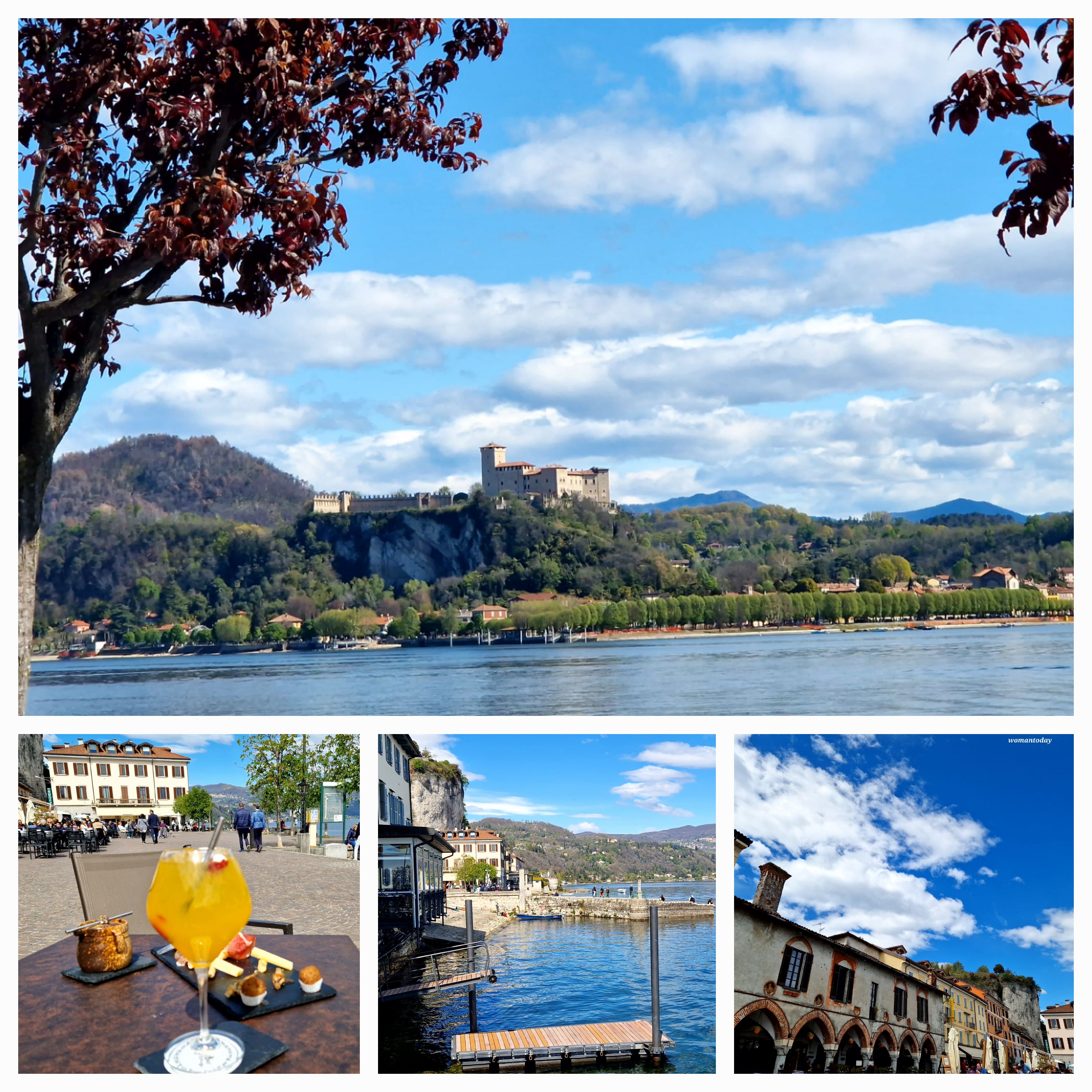
Oggi sono qui per il nuovo appuntamento con le cose belle di questo mese. Per coloro che mi seguono su Instagram, il link lo trovate anche sopra, womantoday32, le cose che condividerò adesso non sono una novità, ma per coloro che non dedicano tempo a questo social, le cose belle di questo mese riguardano il breve viaggio che ho fatto sul lago Maggiore. All'inizio dell'anno vi avevo parlato di alcuni nuovi problemi di salute che poi piano piano ho accettato come un'altro compagno per la vita ma siccome non è per niente facile gestire i sintomi e la terapia (difficilmente controllabile a casa dove ho tutto il necessario) volevo provare ad affrontare la situazione anche in un ambito nuovo come quando viaggio. Perciò ci siamo organizzati per passare una breve vacanza di 3 giorni a visitare lago Maggiore e le sue bellissime città. Non ho avuto il successo che speravo nel controllo dei problemi di salute ma visitando questi posti stupendi mi ha ricordato ancora una volta quanto sia bello viaggiare, quanto mi possa alzare il morale e quanta pace mi possa dare ammirare paesaggi e panorami multicolori come quelli che condividerò in seguito. Abbiamo visitato Arona, Stresa e Lucarno e ci siamo soffermati in ognuna di queste città per ammirare i paesaggi, scattare foto, ascoltare i cantanti di strada, fare un aperitivo delizioso, pranzare e cenare con  pietanze squisite. Come novità rispetto alle condivisioni sui social, nel post di oggi condivido con voi le prelibatezze del lago Maggiore. Detto ciò, vi saluto e vi abbraccio con calore e vi do appuntamento al prossimo post. 


ENGLISH 

Dear friends and readers,

Today I'm here for the new appointment with the beautiful things of this month. For those who follow me on Instagram, the link can also be found above, womantoday32, the things I will share now are nothing new, but for those who don't dedicate time to this social network, the beautiful things fir this month concern the short trip we made to Lake Maggiore. At the beginning of the year I told you about some new health problems which I then slowly accepted as another life partner but since it is not at all easy to manage the symptoms and the therapy (difficult to control at home where I have everything necessary) I wanted to try to deal with the situation even in a new environment like when I travel. So we organized ourselves to spend a short 3-day break visiting Lake Maggiore and its beautiful cities. I haven't had the success I hoped in controlling my health problems but visiting these beautiful places reminded me once again how beautiful it is to travel, how much it can lift my spirits and how much peace it can give me to admire multicolored landscapes and panoramas like the ones I will share afterwards. We visited Arona, Stresa and Lucarno and stopped in each of these cities to admire the landscapes, take pictures, listen to street singers, have a delicious happy hour, have lunch and dinner with exquisite dishes. As a novelty compared to sharing on social networks, in today's post I share with you the delicacies of Lake Maggiore. Having said that, I greet you and embrace you warmly and see you in the next post.


Arona - Italia / Italy


Stresa - Italia / Italy


Lucarno - Svizzera / Switzerland


Leccornie del lago / delicacies from the lake


IT: Con questo post partecipo all'iniziativa Solo Cose Belle portata avanti da Lulù sul suo blog, Creattivamente Lulù. 
ENG: With this post I participate in the Only Beautiful Things initiative carried out by Lulù on her blog, Creattivamente Lulù.


Copyright © Florentina Andrei 2023

giovedì 29 settembre 2022

Solo Cose Belle - settembre 2022 / Only Beautiful Things - September 2022


Carissimi amici e lettori,

Oggi ritorno a raccontarvi le cose belle che hanno rallegrato il mese di settembre per me. Non ho tante cose da condividere ma quelle che ci sono, sono state abbastanza da riempire tutto il mese, come si dice, "poche ma buone". 

Come lo avete sicuramente capito a questo punto leggendo e seguendo il mio blog, sono una grande amante della letteratura, dei libri e della lettura perciò all'arrivo di una mail che mi offriva dei grandi sconti, non ho resistito. Ho colto subito l'opportunità di fare bottino e ho ordinato ben 11 libri su uno dei miei siti preferiti. Ho scelto dei grandi classici, titoli importanti di autori che hanno lasciato un segno nella letteratura universale. Fra questi titoli ci sono libri che in passato ho letto in altre lingue ma visto che ero curiosa se una lingua diversa avrebbe cambiato il mio parere iniziale, ho colto subito l'opportunità di acquistarli. Vi dico subito che ho già letto uno di questi libri. Per il momento non vi dico quale libro, mi riservo lo sfizio di farvelo scoprire nella sua recensione. Sono sicura che anche alcuni di voi hanno approfittato degli stessi sconti e hanno arricchito la loro libreria. 

Oltre a questi fantastici libri, vorrei parlarvi di un'altra cosa bella che nonostante non abbia visto me come principale protagonista, mi ha portato comunque tanta gioia. Questo mese, una mia collega di lavoro, una splendida ragazza, generosa, empatica, colta e tanto cara, è andata una settimana  in vacanza nei Paesi Bassi. Sapendo che sono una grande amante dei viaggi, ha trovato tempo durante la sua vacanza per condividere con me delle splendide foto di quei meravigliosi posti che molto probabilmente con potrò mai percorrere. Al ritorno mi ha portato anche dei meravigliosi souvenir, una stampa con un bellissimo quadro di van Gogh, delle carinissime saponette a forma di cuoricini e dei meravigliosi bulbi di tulipani che andrò a piantare con la speranza di fare un buon lavoro e in primavera, poter farvi vedere dei meravigliosi tulipani freschi.


ENGLISH

Dear friends and readers,

Today I return to talk to you about the beautiful things that brightened up the month of September for me. I don't have so many things to share but the ones that I have, were enough to fill the whole month, as they say, "few but good".

As you have surely understood at this point by reading and following my blog, I am a great lover of literature, books and reading so when I received an email that offered me great discounts, I could not resist. I immediately took the opportunity to loot and ordered 11 books from one of my favorite sites. I have chosen great classics, important titles by authors who have left their mark on universal literature. Among these titles, there are books that I have read in the past in other languages ​​but since I was curious if a different language would change my initial opinion, I immediately took the opportunity to buy them. I tell you right away that I have already read one of these books. For the moment I won't tell you which one, I reserve the caprice to let you discover it in its review. I'm sure some of you have also taken advantage of the same discounts and enriched their library.

In addition to these fantastic books, I would like to talk to you about another beautiful thing that despite not having seen me as the main protagonist, still brought me a lot of joy. This month, a co-worker of mine, a beautiful girl, generous, empathetic, cultured and very dear, went on vacation to the Netherlands for a week. Knowing that I am a great lover of travel, she took time during her vacation to share with me some great photos of those wonderful places that I will most likely never be able to travel to. On my return she also brought me some wonderful souvenirs, a print with a beautiful van Gogh's painting, some cute little heart-shaped soap bars and wonderful tulip bulbs that I will plant hoping to do a good job and in spring, to be able to show you some fresh and gorgeous tulips.


Bottino di libri / Book haul


Paesi Bassi - foto dalla mia cara collega di lavoro / Netherlands - photos from my dear work colleague


#solocosebelle
 #onlybeautifulthings


©femeieastazi.blogspot.com 
©FlorentinaAndrei

Recommended post

Solo Cose Belle ottobre 2024 parte 1 / Only Beautiful Things October 2024 part 1

ITALIANO   Ciao carissimi amici,  Finalmente riesco a scrivere il post in merito alle cose belle che ho vissuto durante il mese corrente e s...