Visualizzazione post con etichetta calatorie. Mostra tutti i post

mercoledì 30 ottobre 2024

Solo Cose Belle ottobre 2024 parte 1 / Only Beautiful Things October 2024 part 1


ITALIANO 

Ciao carissimi amici, 

Finalmente riesco a scrivere il post in merito alle cose belle che ho vissuto durante il mese corrente e siccome le cose sono tante, dovrò dividere il post in due parti. Le cose belle di cui vi parlerò sono successe nell'arco di 5 giorni quando siamo andati in vacanza a Roma. Forse qualcuno si chiederà: perché due post per cinque giorni di vacanza, tutti nella stessa città? Perché la città è Roma, la capitale dell'Italia, capitale dell'Impero Roma che ha regnato su mezzo mondo già dall'antichità... Su Instagram finora avrò condiviso una decina di post, ognuno incentrato su un monumento o un gruppo di monumenti e attrazioni turistiche perciò, concedetemi adesso un post più lungo del solito 😱🤣 A differenza di Instagram dove ho postato in base alla popolarità dei monumenti, qui ve li presenterò nell'ordine in cui gli abbiamo visitati.


ENGLISH 

Hello my dear friends,

I finally get on writing the post about the beautiful things I experienced during the current month and since there are so many things, I'll have to split the post into two parts. The beautiful things I'm going to tell you about happened over the course of 4 days when we went on vacation to Rome. I know I made a mistake in some comments saying 4 days but in one of them it rained half a day so I removed it from my mind. Maybe someone will ask: why two posts for five days of vacation, all in the same city? Because the city is Rome, the capital of Italy, capital of the Roman Empire that has reigned over half the world since ancient times... On Instagram so far I've shared about ten posts, each focused on a monument or a group of monuments and tourist attractions so, allow me now a longer post than usual 😱🤣 Unlike Instagram where I posted based on the popularity of the monuments, here I will present them to you in the order in which we visited them.


Il Colosseo (Italiano)

Appena arrivati a Roma, il primo posto che siamo andati a vedere è stato il Colosseum, ce lo siamo studiati ben bene dall'esterno perché per visitare il suo interno, occorre prenotare i biglietti, anche se sei disabile in carrozzina. In tal caso il biglietto della persona disabile e del suo accompagnatore sono gratuiti ma occorre prenotazione perché c'è un limite giornaliero per il numero di visitatori. Aggiungo anche il fatto che la necessità di comprare i biglietti in anticipo si estende alla maggior parte dei monumenti. Siamo riusciti dunque a prenotarci i biglietti solo per l'ultimo giorno,  cioè il giorno della partenza che tral'altro era anche un bel giorno. Detto ciò, adesso continuo con alcune informazioni storiche già pubblicate su Instagram, ma siccome i post sono i miei, non penso di infrangere alcun diritto d'autore e farò la stessa cosa per gli altri punti d'interesse a Roma. Il nome Colosseo gli fu dato solo nel Medioevo, fino ad allora era conosciuto come Anfiteatro, il più grande anfiteatro Romano al mondo e una delle Sette Meraviglie del Mondo Moderno. Fu costruito con il bottino della distruzione del Tempio di Gerusalemme, ospitò vari eventi come battaglie navali, spettacoli di caccia, rievocazioni di battaglie famose, drammi basati sulla mitologia classica, ma ciò per cui è maggiormente ricordato sono l'uccisione di condannati (anche martiri cristiani) da parte di animali selvatici e combattimenti di gladiatori. Ogni anno, migliaia di gladiatori trovavano la loro fine in questa arena, solo per celebrare il trionfo di Traiano sui Daci. 10.000 gladiatori combatterono lì. Il suo declino coincide con il declino dell'Impero Romano, anche se anche prima di allora, il Colosseo subì incendi, terremoti, saccheggi e massacri da parte delle tribù visigote (di religione cristiana) così come dalla chiesa cristiana stessa e molto più tardi dal regime fascista che utilizzò il Colosseo come fonte di prezioso materiale da costruzione (marmo, bronzo, travertino e tufo) per costruire altre chiese e monumenti.


The Colosseum (English)

As soon as we arrived in Rome, the first place we went to see was the Colosseum, we studied it very carefully from the outside because to visit its interior, you need to book tickets, even if you are disabled in a wheelchair. In this case, the disabled person and their companion's ticket are free but you need to book because there is a daily limit for the number of visitors. I would also add that the need to buy tickets in advance extends to most of the monuments. We therefore managed to book tickets only for the last day, that is, the day of departure which was also a beautiful day. Having said that, I will now continue with some historical information already published on Instagram, but since the posts are mine, I do not think I am infringing any copyright and I will do the same for the other points of interest in Rome. The name Colosseum was given to it only during Middle Ages, until then it was known as Amphitheater, the greatest Roman amphitheater in the world and one of the Seven Wonders of the Modern World. It was built with the spoils from the destruction of the Temple of Jerusalem, hosted various events such as naval battles, hunting shows, re-enactments of famous battles, dramas based on classical mythology but what it is mostly remembered for are the killing of condemned people (even Christian martyrs) by wild animals and gladiator fights. Every year, thousands of gladiators met their end in this arena, just to celebrate Trajan's triumph over the Dacians 10,000 gladiators fought there. Its decline coincides with the decline of the Roman Empire, although even before that, the Colosseum suffered fires, earthquakes, looting and massacres by the Visigoth tribes (of Christian religion) as well as by the Christian church itself and much later by the fascist regime who used the Colosseum as a source of valuable building material (marble, bronze, travertine and tuff) to build other churches and monuments. 

Altre foto qui / More pics here


Piazza Navona (Italiano)

Piazza Navona è una delle piazze più belle e famose di Roma e del mondo, è anche uno degli splendidi capolavori del barocco con opere  di Bernini e Borromini. Qui si possono ammirare la  Chiesa di Sant'Agnese in Agone, Palazzo Pamphilj, Santuario di Nostra Signora del Sacro Cuore, Fontana del Nettuno, Fontana del Moro, Fontana dei Quattro Fiumi e l'Obelisco Agonale. Al momento della nostra visita purtroppo l'Obelisco e le fontane venivano ristrutturate perciò la nostra esperienza in Piazza Navona è stata limitata però abbiamo assaggiato un piatto di pasta con vista sulla bellissima Sant'Agnese in Agone. Sempre da questa piazza si possono raggiungere a piedi anche il Pantheon, il Vaticano con la famosa Basilica San Pietro e Castel Sant'Angelo che abbiamo visto purtroppo solo dall'esterno. Io sono arrivata solo fino ai pressi di Castel Sant'Angelo, mio marito invece è andato a vedere e fotografare gli altri monumenti appena menzionati. Mi ha informato delle file lunghissime per entrare ed ecco perché non solo consiglio l'acquisto dei biglietti prima di andare in vacanza ma anche di organizzare i monumenti da visitare nei minimi dettagli e di considerare bene il tempo in rapporto con le destinazioni da vedere.


Navona Square (English)

Navona Square is one of the most beautiful and famous squares in Rome and in the world, it is alsoone of the most beautiful and famous squares in Rome and in the world, it is also one of the splendid masterpieces of the Baroque with works by Bernini and Borromini. Here you can admire the Church of Sant'Agnese in Agone, Pamphilj Palace, Sanctuary of Our Lady of the Sacred Heart, Fountain of Neptune, Fountain of the Moor, Fountain of the Four Rivers and the Agonal Obelisk. At the time of our visit, unfortunately, the Obelisk and the fountains were being renovated so our experience in Piazza Navona was limited, but we tasted a plate of pasta overlooking the beautiful Sant'Agnese in Agone. From this square you can also walk to the Pantheon, the Vatican with the famous St. Peter's Basilica and Castel Sant'Angelo which we unfortunately only saw from the outside. I only got to the area around Castel Sant'Angelo, while my husband went to see and photograph the other monuments just mentioned. He informed me of the very long queues to get in and that's why I not only recommend buying tickets before going on holiday but also organising the monuments to visit down to the smallest detail and considering the time well in relation to the destinations to see.

Insta post


Castel Sant'Angelo (Italian)

A poca distanza dal Vaticano e collegato ad esso attraverso il corridoio fortificato del "passetto" sulla sponda destra del Tevere, regna indisturbato, Castel Sant'Angelo. Famoso per la sua connessione allo stato del Vaticano che addirittura lo uso come come ultima difesa contro il saccheggio dei Visigoti di Alarico del 410 (menzionato anche nel post del Colosseo) e dei Vandali di Genserico del 455, pochi sanno che fu costruito fra il 135 e 139 d.C su ordine dell'imperatore Adriano. Nacque come mausoleo funebre per sé e i suoi familiari e ci furono sepolti diversi imperatori assieme alle loro moglie e figli ma diventò un castello e gli fu dato il nome Castel Sant'Angelo nel 590 quando durante una grave pestilenza, papa Gregorio I, vide l'arcangelo Michele rinfoderrare la sua spada, visione che coincise con la fine della pestilenza. Nel museo Capitolino viene conservata una pietra circolare con le impronte dei piedi lasciate dall'arcangelo. Nei secoli, il castello fu conteso da diverse famiglie nobiliari italiane e subì diverse modifiche. Negli anni si aggiunsero statue di angeli anche sul ponte e fra le altre cose,il castello fu usato anche come prigione. Sicuramente gli amanti dell'Opera sapranno che Giavomo Pucini ambientò a Castel Sant'Angelo l'ultimo atto della Tosca mentre gli amanti del cinema ricorderanno il ruolo che questo castello ebbe in Angeli e Demoni con Tom Hanks.


Saint'Angel Castle

At short distance from the Vatican and connected to it through the fortified corridor of the "passetto" on the right bank of the Tiber, Castel Sant'Angelo reigns undisturbed. Famous for its connection to the Vatican state that even used it as a last defense against the sacking of the Visigoths of Alaric in 410 (also mentioned in the post on the Colosseum) and the Vandals of Genseric in 455, few know that it was built between 135 and 139 AD on the orders of the emperor Hadrian. It was born as a funeral mausoleum for himself and his family and several emperors were buried there together with their wives and children but it became a castle and was given the name Castel Sant'Angelo in 590 when during a serious plague, Pope Gregory I, saw the archangel Michael sheathing his sword, a vision that coincided with the end of the plague. In the Capitoline Museum, a circular stone with the footprints left by the archangel is preserved. Over the centuries, the castle was contested by various Italian noble families and underwent several modifications. Over the years, statues of angels were added to the bridge and among other things, the castle was also used as a prison. Opera lovers will surely know that Giavomo Pucini set the last act of Tosca in Castel Sant'Angelo while film lovers will remember the role that this castle had in Angels and Demons with Tom Hanks.

Instagram post


Monumento Nazionale a Vittorio Emanuele II (il Vittoriano) o l'Altare della Patria (Italiano)

Abbiamo visitato questo monumento il terzo giorno di vacanza (a mio avviso, il giorno più bello). Abbiamo iniziato con questo monumento e poi abbiamo continuato con il Campidoglio, la Lupa Capitolina, il Foro Romano e gli altri Fori Imperiali (su Instagram sono stati presentati all'incontrario quasi). Comunque, il Vittoriano è situato in piazza Venezia, nei pressi del colle del Campidoglio, è il monumento moderno più significativo di Roma e ha un'ampia valenza simbolica essendo un tempio laico dedicato all'Italia libera e unita ed in virtù della tumulazione del Milite simboleggia anche il sacrificio per la patria e per gli ideali connessi. Fu costruito fra 1885 e 1935, progettato da Giuseppe Sacconi (che non vide la sua finalizzazione) in stile neoclassico con influenze eclettiche. 


National Monument to Victor Emmanuel II (the Vittoriano) or the Altar of the Fatherland (English)

We visited this monument on the third day of vacation (in my opinion, the best day). We started with this monument and then continued with the Capitoline Hill, the Capitoline Wolf, the Roman Forum and the other Imperial Forums (on Instagram they were presented almost backwards). It is located in Piazza Venezia, near the Campidoglio hill, is the most significant modern monument in Rome and has a wide symbolic value being a secular temple dedicated to free and united Italy and by virtue of the burial of the Soldier also symbolizes the sacrifice for the homeland and for the related ideals.It was built between 1885 and 1935, designed by Giuseppe Sacconi (who did not see its completion) in neoclassical style with eclectic influences.

More here / Di più qui


Piazza Campidoglio

Situata sulla cima del colle Campidoglio, si errige secondo i criteri di un progetto originato dal genio del famoso Michelangelo, una piazza monumentale, la prima piazza che la Roma moderna ha visto nascere. Davanti al Palazzo senatorio e di fronte alle notevoli scalinate, si può amminare la statua della dea Roma, affiancata a destra e a sinistra dalle statue del "Tevere" e del "Nilo". Al centro della piazza si trova la copia della statua equestre di Marco Aurelio, il suo originale come d'altronde anche l'originale della Lupa Capitolina, si trovano all'interno dei Musei Capitolini che costeggiano la piazza a destra e a sinistra. In piazza Campidoglio si può arrivare anche attraverso delle scalinate. La scalinata principale è la famosa Cordonata Capitolina dove una volta arrivati in cima, potete ammirare da vicino le statue dei Dioscuri. A destra, attaccata praticamente alla Cordonata, c''è un'altra scalinata, di cui non ho ancora scoperto il nome ma sembra altrettanto pittoresca. A sinistra dal basso quando si comincia salire, appena aver superato le fontane dei Leoni Egizi, c'è la scalinata dell'Ara Coeli che passa accanto al Monumento a Cola di Rienzo e porta alla Basilica di Santa Maria in Aracoeli e al Convento di Santa Maria in Aracoeli.


Square Campidoglio (English)

Located on the top of the Campidoglio hill, it stands according to the criteria of a project originated by the genius of the famous Michelangelo, a monumental square, the first square that modern Rome saw born. In front of the Senatorial Palace and the notable stairways, you can admire the statue of the goddess Rome, flanked on the right and left by the statues of the "Tiber" and the "Nile". In the center of the square is the copy of the equestrian statue of Marcus Aurelius, its original as well as the original of the Capitoline Wolf, are located inside the Capitoline Museums that border the square on the right and left. Square Campidoglio can also be reached through stairs. The main staircase is the famous Cordonata Capitolina where once you get to the top, you can admire the statues of the Dioscuri up close. On the right, practically attached to the Cordonata, there is another staircase, whose name I haven't discovered yet but it seems equally picturesque. On the left from the bottom when you start to climb, just after passing the fountains of the Egyptian Lions, there is the Ara Coeli staircase that passes next to the Monument to Cola di Rienzo and leads to the Basilica of Santa Maria in Aracoeli and the Convent of Santa Maria in Aracoeli.

See more here / Vedi più qui


ITALIANO 

Continuerò a parlare degli altri monumenti visti nel terzo, quarto e quinto giorno nel mio prossimo post. Grazie per aver visitato il mio blog e letto il mio post e spero che vi siate divertiti a fare tutto questo.


ENGLISH 

I will continue to talk about the other monuments seen in the third, fourth and fifth day in my next post. Thank you for visiting my blog and reading my post and I hope you enjoyed doing all this. 


Copyright © Florentina Andrei 2024


Immagini e testo di creazione propria. Per eventuali citazioni o riproduzioni parziali, a scopo illustrativo, d'insegnamento o ricerca, siete tenuti a menzionare la fonte come previsto dalla normativa internazionale di citazioni e diritto d'autore. Per eventuali usi a scopo commerciale, l'interessato è tenuto a contattare e raggiungere un accordo con l'autore.


Images and text of my personal creation. For any citations or partial reproductions, for illustrative, instruction or research purposes, one has to mention the source as required by international citation and copyright law. For any use for commercial purposes, the interested party is required to contact and reach an agreement with the author.

domenica 18 febbraio 2024

Viaggio in Alsazia / Trip to Alsace


Ciao carissimi amici e lettori,

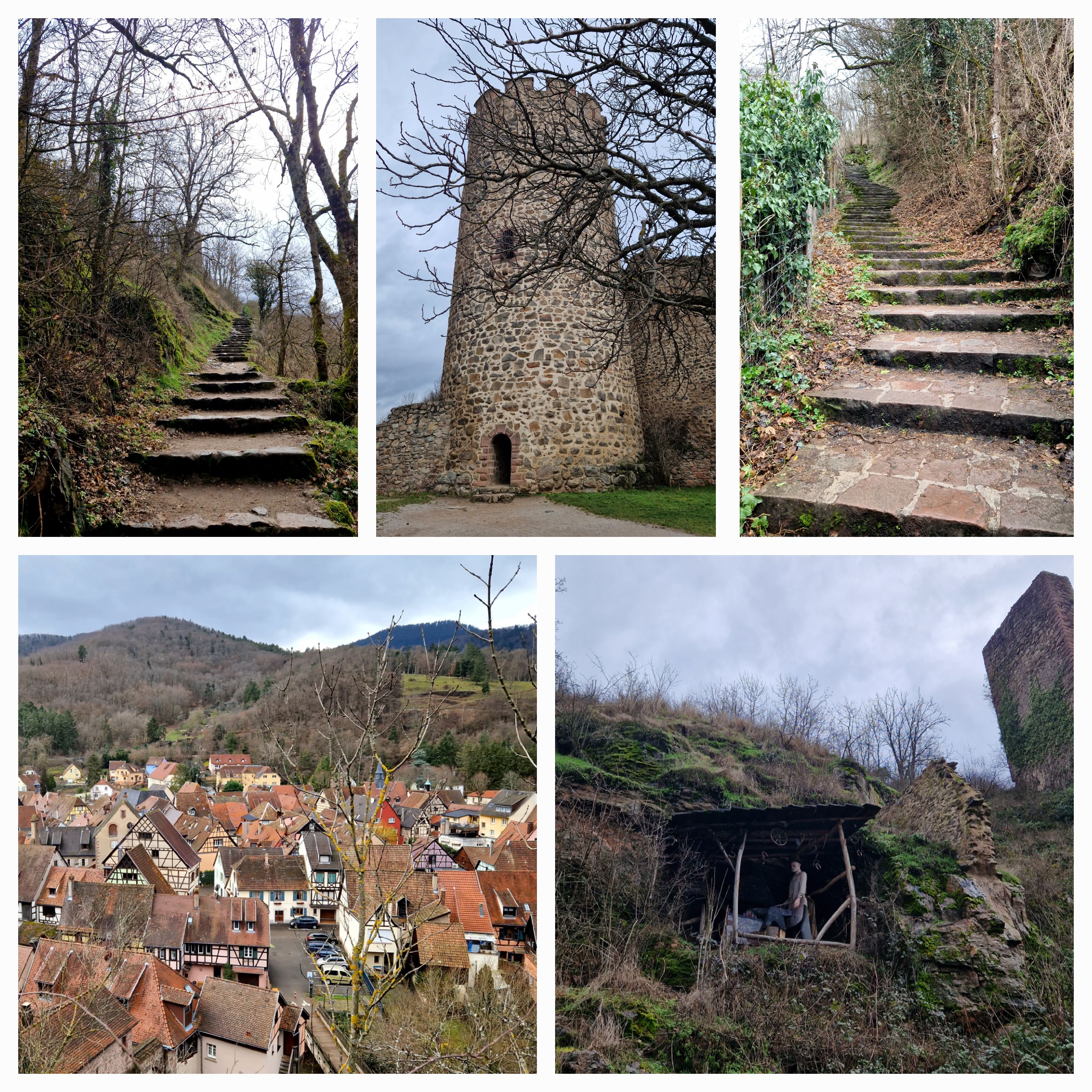
La maggior parte di voi mi segue anche sui social network e quindi ha già avuto modo di vedere i miei post e le mie storie relative alla breve vacanza che ho trascorso a fine gennaio in Alsazia. Non è la prima volta che vedo queste terre, infatti in passato avevo già visitato Colmar e Strasburgo nel mese di dicembre quando tutte le decorazioni di Natale erano in funzione e le strade illuminate dalle luci natalizie ricevevano i numerosi visitatori impazienti di ammirare i punti d'interesse e fare compere nei mercatini di Natale e nei negozi chic. A gennaio, come si può vedere nelle foto, alcune decorazioni erano ancora rimaste in posto anche se le luci non funzionavano dappertutto ma le strade erano più libere perché la folla dei turisti era seriamente diminuita e perciò sono riuscita a visitare con più calma e vedere più obbiettivi turistici. Avendo anche più giorni a disposizione siamo riusciti a vedere più cittadine ed ammirare più monumenti che altrimenti sarebbe stato molto più difficile farlo. Il tempo era mite con temperature superiori ai 10° Celsius, qualche giorno ha piovigginato, era quasi sempre nuvoloso ma nonostante ciò, siamo riusciti a goderci la settimana di vacanza percorrendo in macchina strade di borghi fiabeschi, gustando la squisita cucina francese e ammirando le viste meravigliose davanti a tazze fummanti di tè e leggendo libri affascinanti. Condividerò con voi foto di panorami mozzafiato, castelli medioevali, monumenti maestosi e scorci da fiaba e anche se tante di queste cose le ho viste anch'io come voi, solo dalle foto perché non mi era possibile arrivarci con la carrozzina o il walker a 4 ruote, sono rimasta meravigliata e molto contenta di essere cosi vicina a tutte quelle meraviglie.

Hello dear friends and readers,

Most of you also follow me on social networks and therefore have already had the opportunity to see my posts and stories relating to the short holiday I spent in Alsace at the end of January. It is not the first time I have seen these lands, in fact in the past I had already visited Colmar and Strasbourg in the month of December when all the Christmas decorations were in function and the streets illuminated by Christmas lights received numerous visitors eager to admire the points of interest and go shopping at the Christmas markets and chic shops. In January, as you can see in the photos, some decorations were still in place even though the lights didn't work everywhere but the streets were freer because the crowds of tourists had seriously diminished and therefore I was able to visit more calmly and see more tourist objectives. Having even more days available we were able to see more towns and admire more monuments which otherwise would have been much more difficult to do. The weather was mild with temperatures above 10° Celsius, it drizzled a few days, it was almost always cloudy but despite this, we managed to enjoy the week's holiday by driving along the streets of fairy-tale villages, tasting the exquisite French cuisine and admiring the wonderful views over steaming cups of tea and reading fascinating books. I will share with you photos of breathtaking views, medieval castles, majestic monuments and fairytale views and even though I too have seen many of these things like you, only from the photos because it was not possible for me to get there with a wheelchair or a 4-wheel walker. wheels, I was amazed and very happy to be so close to all those wonders.


Isola del Reno / Rhine Island

IT: Abbiamo alloggiato in un delizioso albergo sull'isola del Reno e tutte le mattine ci siamo svegliati con la vista dei cigni che nuotavano sulla superficie di un piccolo laghetto all'interno dell'isola, sotto i deboli raggi del sole e la fitta nebbia mattutina. L'isola del Reno è una sponda di terra in mezzo ad uno dei fiumi più lunghi d'Europa e oltre all'unico albergo con ristorante, comprende anche un camping e una piscina estiva. Viene attraversata da un ponte che collega la Germania alla Francia e dal quale si possono ammirare le cascate della Diga di ritenuta EDF di Volgelgrun.

ENG: We stayed in a lovely hotel on Rhine Island and every morning we woke up to the sight of swans swimming on the surface of a small lake inside the island, under the faint rays of the sun and thick fog. Rhine Island is a bank of land in the middle of one of the longest rivers in Europe and in addition to the only hotel with restaurant, it also includes a campsite and a summer swimming pool. It is crossed by a bridge that connects Germany to France and from which you can admire the waterfalls of the Volgelgrun EDF retention dam.


Colmar

IT: A circa 25 km dal nostro albergo si trova la pittoresca cittadina Colmar, famosa per la sua Piccola Venezia, il parco du Champs de Mars, la Collegiata di San Martino, la Vecchia Dogana, la Casa delle Teste, l'albero di Giuda, la Casa Pfister e il Museo d'Unterlinden, la copia della Statua della Libertà e il Muro degli Artisti. Siamo riusciti ad ammirare la Piccola Venezia e visto che i marciapiedi lo permettevano, sono scesa anch'io ad ammirare di persona il canale e a scattare delle foto. A Colmar mi è stato possibile anche passeggiare nel Parco Du Champs de Mars e ammirare personalmente il Muro degli Artisti e la copia della Statua della Libertà. Il Parco Champs de Mars è famoso per la scritta Colmar e la statua del Generale Rapp realizzata dallo scultore Auguste Bartholdi. Auguste Bartholdi, originario di Colmar è anche l'aerchitteto che ha progettato e ha realizzato insieme a Gustave Effel, la Statua della Libertà, che la Francia ha donato agli Stati Uniti d'America. Ho appena svellato dunque anche il mistero del perché a Colmar esiste la coppia della famosa statua. Mio marito è riuscito ad arrivare e ammirare l'albero di Giuda, Cercis Siliquastrum, che dal 1791 delizia gli abitanti di Colmar con le sue fioriture annuali e purtroppo siamo arrivati troppo tardi per poter visitare il Museo d'Unterlinden mentre speriamo di poter visitare gli altri monumenti emblematici per la città in una futura vacanza.

ENG: About 25 km from our hotel is the picturesque town of Colmar, famous for its Little Venice, the Champs de Mars park, the Collegiate Church of Saint Martin, the Old Customs, the House of the Heads, the Judas tree, the Pfister House and the Unterlinden Museum, the copy of the Statue of Liberty and the Artists' Wall. We managed to admire Little Venice and since the sidewalks allowed it, I also went down to admire the canal in person and take some photos. In Colmar I was also able to walk in the Parc Du Champs de Mars and personally admire the Artists' Wall and the copy of the Statue of Liberty. The Champs de Mars Park is famous for the Colmar sign and the statue of General Rapp created by the sculptor Auguste Bartholdi. Auguste Bartholdi, originally from Colmar, is also the architect who designed and built, together with Gustave Effel, the Statue of Liberty, which France donated to the United States of America. I have therefore also just solved the mystery of why the copy of the famous statue exists in Colmar. My husband managed to arrive and admire the Judas tree, Cercis Siliquastrum, which has been delighting the inhabitants of Colmar with its annual blooms since 1791 and unfortunately we arrived too late to visit the Musée d'Unterlinden while we hope to be able to visit the other emblematic monuments for the city in a future holiday.


Riquewihr

IT: Avete presente la favola la Bella e la Bestia? Beh, vi posso dire che in Alsazia si trova la cittadina che ha ispirato gli illustratori Disney nella realizzazione del villaggio di Belle nel lungometraggio animato con lo stesso nome. Come potete vedere, questo piccolo borgo racchiude dentro la sua importante cinta muraria, delle vecchie casette colorate con un aspetto alsaziano, piccole torrette che in passato hanno ospitato le fanciulle nell'ascolto delle dichiarazioni d'amore a loro destinate, piccoli gazebo, statue in metallo e sentieri sterrati. Noi ci siamo innamorati di questa piccola cittadina, e voi?

ENG: Do you know the fairy tale Beauty and the Beast? Well, I can tell you that in Alsace there is the town that inspired the Disney illustrators in the creation of Belle's village in the animated feature film of the same name. As you can see, this small village contains within its important city walls, old colored houses with an Alsatian appearance, small turrets which in the past hosted young girls listening to the declarations of love destined for them, small gazebos, statues in metal and dirt paths. We fell in love with this small town, and you?


Ribeauvillé

IT: Sulla strada dei Vini, ci sono tantissimi borghi pittoreschi che attendono i visitatori con bellissimi scorci, castelli e monumenti peculiari, prelibatezze squisite e souvenirs memorabili. Una di queste cittadine, circondata anch'essa da un'imponente cinta muraria, è Ribeauvillé. Ribeauvillé è famosa perché nel medioevo, i signori di questo posto erano i "re" dei menestrelli e dei trovatori di tutta l'Alsazia. Questo aspetto viene ricordato in monumenti come la Casa dei Pifferai, la statua Les Rappolstein, la Torre dei Macellai e le tantissime fontane canticchianti. In lontananza, dalle sue vie, è possibile ammirare la fortezza di Saint-Ulrich.

ENG: On the Wine Route, there are many picturesque villages that await visitors with beautiful views, castles and peculiar monuments, exquisite delicacies and memorable souvenirs. One of these towns, also surrounded by an imposing city wall, is Ribeauvillé. Ribeauvillé is famous because in the Middle Ages, the lords of this place were the "kings" of the minstrels and troubadours of all Alsace. This aspect is remembered in monuments such as the Pipers' House, the Les Rappolstein statue, the Butchers' Tower and the many humming fountains. In the distance, from its streets, it is possible to admire the fortress of Saint-Ulrich.


Kaysersberg

IT: Kysersberg è un piccolo comune francese di qualche migliaio di abitanti, situato nell'Alto Reno nella regione del Grand Est. Il nome significa letteralmente "collina dell'imperatore" ed in passato fu comprata da Federico II, re di Sicilia, dei Romani e di Gerusalemme nonché imperatore dell'impero Sacro Romano, eletto nel 1211, incoronato dapprima in Aquisgrana nel 1215 e successivamente a Roma, dal Papa, nel 1220. La cittadina viene sorvegliata dall'alto dalla fortezza del castello con lo stesso nome, un edificio maestoso costruito nel XIII secolo, anch'esso dallo stesso imperatore Federico II. Come curiosità, ho scoperto che il mastio cilindrico, uno dei più vecchi dell'Alsazia, ha muri spessi 4 metri e offre una vista mozzafiato sulla valle e sulla città, vista e posizione molto utile all'imperatore e ai suoi eredi nei conflitti perpetui contro i duchi di Lorena ed i fedeli del Papa. Io non sono riuscita ad ammirare questo monumento però mio marito mi ha parlato a lungo della bellezza del paesaggio ai piedi della collina, della grandezza e l'imponenza degli edifici e della soddisfazione provata ad essere riuscito ad arrivarci.

ENG: Kysersberg is a small French town of a few thousand inhabitants, located in the Upper Rhine in the Grand Est region. The name literally means "emperor's hill" and in the past it was bought by Frederick II, king of Sicily, the Romans and Jerusalem as well as emperor of the Holy Roman Empire, elected in 1211, crowned first in Aachen in 1215 and subsequently in Rome, by the Pope, in 1220. The town is guarded from above by the castle fortress of the same name, a majestic building built in the 13th century, also by Emperor Frederick II himself. As a curiosity, I discovered that the cylindrical keep, one of the oldest in Alsace, has walls 4 meters thick and offers a breathtaking view of the valley and the city, a view and position very useful to the emperor and his heirs in the perpetual conflicts against the dukes of Lorraine and the Pope's subjects. I was not able to admire this monument but my husband spoke to me at length about the beauty of the landscape at the foot of the hill, the grandeur and imposingness of the buildings and the satisfaction he felt at having succeeded to get there.


Strasbourg

IT: L'ultimo posto di cui vi parlerò in questo articolo è Strasburgo, una città al quale noi abbiamo dedicato una giornata intera senza riuscire nemmeno a scalfire la superficie dei posti da visitare. In passato avevamo già visitato Strasburgo a dicembre nel 2018 e avevamo potuto ammirare la bellezza dei suoi mercatini di Natale, i più belli mai visti in vita mia e credetemi, di mercatini di Natale ne ho visti tanti. Ci sono tante cose che si possono raccontare su Strasburgo, che il suo nome si traduce letteralmente "la città delle strade", che è stata scelta, insieme a Bruxelles, come sede del Parlamento Europeo, è sede della prestigiosa Scuola Nazionale della Pubblica Amministrazione (ENA) fondata dal presidente De Gaulle, che siccome in passato come tutta l'Alsazia d'altronde è stata contesa a lungo fra la Francia e la Germania, è ricca delle influenze e culture di entrambe le nazioni, che vanta un grandissimo numero di luoghi d'interesse, monumenti, musei, biblioteche ed edifici religiosi. Nonostante fossimo decisi a visitare il Parlamento Europeo, non era possibile prenotare una visita in quanto ci sono tuttora in corso dei lavori di ristrutturazione e quindi ci siamo limitati a guardarlo dall'esterno. Abbiamo visitato nuovamente la Cattedrale di Strasburgo (chiamata correttamente Cattedrale della Nostra Signora di Strasburgo cioè Notre-Dame di Strasbourg) ma quello che non sapevamo finora era che la cattedrale era stata costruita, distrutta e ricostruita diverse volte fino al suo aspetto definitivo realizzato in pietra arenaria dei Vosgi che le conferisce l'aspetto rossiccio. Il suo orologio astronomico, l'unico del suo genere, riproduce la processione degli equinozi. L'interno è caratterizzato da elementi romanici ma quello che colpisce di più la vista è la dissoluzione delle pareti in perfetto stile gotico francese. Questo monumento sono riuscita a visitarlo anch'io perché ahimè, nella casa di Dio, gli storpi e i malati sono sempre i benvenuti :) Oltre alla Cattedrale Notre-Dame di Strasburgo abbiamo visitato anche Chiesa di Saint Pierre le Vieux, una chiesa interreligiosa che accoglie sia i fedeli di rito romano-cattolico, sia i protestanti e la Chiesa di San Paolo situata alla confluenza del fiume Ill con il corso d'acqua Aar e facilmente da notare per le sue due guglie e lo stile neogotico.

ENG: The last place I will talk about in this article is Strasbourg, a city to which we dedicated an entire day without even managing to scratch the surface of the places to visit. In the past we had already visited Strasbourg in December 2018 and we had been able to admire the beauty of its Christmas markets, the most beautiful I have ever seen in my life and believe me, I have seen many Christmas markets. There are many things that can be said about Strasbourg, that its name literally translates as "the city of streets", which was chosen, together with Brussels, as the seat of the European Parliament, and is home to the prestigious National School of Public Administration ( ENA) founded by President De Gaulle, that in the past, like all of Alsace, was long disputed between France and Germany, is rich in the influences and cultures of both nations, boasting a huge number of places of interest, monuments, museums, libraries and religious buildings. Although we were determined to visit the European Parliament, it was not possible to book a visit as there is still renovation work underway and so we limited ourselves to looking at it from the outside. We visited the Strasbourg Cathedral again (correctly called the Cathedral of Our Lady of Strasbourg i.e. Notre-Dame de Strasbourg) but what we didn't know until now was that the cathedral had been built, destroyed and rebuilt several times until its final appearance made of stone Vosges sandstone which gives it its reddish appearance. Its astronomical clock, the only one of its kind, reproduces the procession of the equinoxes. The interior is characterized by Romanesque elements but what is most striking is the dissolution of the walls in perfect French Gothic style. I also managed to visit this monument because, alas, in the house of God, the crippled and the sick are always welcome :) In addition to the Notre-Dame Cathedral of Strasbourg we also visited the Church of Saint Pierre le Vieux, an interreligious church that welcomes both the faithful of the Roman Catholic rite and the Protestants and the Church of St. Paul located at the confluence of the Ill river with the Aare waterway and easily noticed for its two spiers and neo-Gothic style.


IT: Se il post ha catturato la vostra attenzione, sui canali social, link a destra in alto, specialmente Instagram, troverete molti più post, foto, video. Potete seguirmi sui social anche per avere aggiornamenti quasi in tempo reale di tutte le mie creazioni, viaggi, libri che leggo o prodotti cosmetici che provo. Vi aspetto, bacioni!

ENG: If the post caught your attention, on social channels, links on top right, especially Instagram, you will find many more posts, photos, videos. You can also follow me on social media to get almost real-time updates of all my creations, trips, books I read or cosmetic products I try. I'm waiting for you, kisses!


Disclaimer e premesse / Disclaimer and premises

IT: Questo post non ha scopi commerciali e non incoraggia vendite, denominazioni, immagini ed eventuali link presenti sono solo a scopo informativo. Questo post è di mia completa creazione per quanto riguarda contenuti, foto e idee espresse. Prima di usare qualsiasi parte di questo post siete pregati di contattarmi e nel caso vi abbia ispirato per altre creazioni, chiedo cortesemente di menzionare la fonte.

ENG: This post has no commercial purposes and does not encourage sales, names, pictures and eventual links are present only for an informative purpose. This post is of my entire creation as for contents, photos and expressed ideas. Before using any part of it, you need to contact me and in case it inspired you for other creations, I gently ask you to mention the source.

mercoledì 19 luglio 2023

Ritorno in Romania - esperienza di viaggio / Back to Romania - travel experience

IT: Carissimi amici e lettori, 

Oggi condivido con voi un piccolo pezzo delle vacanze estive concluse il mese scorso. Quest'anno, per motivi di salute e comodità, ho deciso di anticipare le mie ferie a fine maggio - primi di giugno e cosi facendo mi sono goduta i colori dell'estate con le temperature di una primavera al crepuscolo. L'obbiettivo era tornare, dopo 5 anni, nel mio paese natale, la Romania, e rivedere alcuni miei parenti ma, strada facendo, sia all'andata, sia al ritorno, ci siamo fermati (un po' per necessità ma tanto anche per il gusto di farlo) per ammirare paesaggi, monumenti e terre straniere e affascinanti e, di questo vi parlerò più avanti o già che ci siete, semplicemente seguitemi sui social (pulsanti in alto). 

Nel post di oggi vi parlerò esclusivamente della mia città natale e di alcune città e zone che la circondano. La mia città natale, Orsova, è situata sulle rive del Danubio ed esiste da ben più di 2000 anni, faceva parte della Dacia Malvensis, era un porto fluviale e un castrum. In lingua daca, il suo nome era Tzierna, con l'arrivo dei Romani, il suo nome cambia in Dierna ma la versione finale prende forma durante la conquista ungherese quando la città viene identificata come Orsova, periodo dal quale arriva anche il primo documento ufficiale che attesti la sua esistenza, nel 1150, come Ursoua. In tutti questi anni, la città ha visto molti popoli, ed è stata terreno di guerra fra gli ottomani e gli Absburgi, addirittura nella prima guerra mondiale, sulle colline appena fuori città, c'era il fronte e anche dopo l'indipendenza della Romania dall'Impero Ottomano nel 1877 e ka prima guerra mondiale, nei dintorni di Orsova era comunque rimasta una fiorente comunità turca soprattutto nei pressi dell'isola Ada Kaleh. La situazione cambiò quando il regime di Ceausescu decise nel 1970, di costruire in collaborazione con il paese vicino, Serbia, la centrale idroelettrica Portile de Fier e per poter costruire il bacino artificiale che sarebbe servito a produrre l'energia, dovettero sommergere l'isola Ada Kaleh e alcuni dei villaggi circostanti. Una parte dei vecchi monumenti furono trasferiti in un altro villaggio, elementi di culto preziosi per l'etnia turca furono spostati nelle moschee di altre città ma tanti altri monumenti furono persi. Quindi l'Orsova che vedete adesso fu interamente costruita durante il regime comunista dopo il 1970. Io nacqui nella nuova Orsova, mio padre invece in uno di quei villaggi attorno alla vecchia città. Al giorno d'oggi, il bacino artificiale offre anche tanti altri vantaggi a parte l'energia elettrica, vi ci si allenano squadre di kayak canoe, ha fatto aumentare esponenzialmente il turismo sul Danubio e nella zona Cazane e le terrazze e i bar costruiti sulle sue sponde sono sempre un atmosfera piacevole dove ritrovarsi nelle serate afose d'esate per rinfrescarsi con un drink. 

ENG: Dear friends and readers,

Today I share with you a small piece of the summer holidays that ended last month. This year, for health and comfort reasons, I decided to anticipate my holidays to the end of May - the beginning of June and in doing so I enjoyed the colors of summer with the temperatures of a twilighting spring. The goal was to return, after 5 years, to my native country, Romania, and see some of my relatives but, on the way, both on the outward journey and on the return journey, we stopped (a bit out of necessity but also just for the joy of...) to admire foreign and fascinating landscapes, monuments and lands and, I'll tell you about this later or since you are already here, simply follow me on my social networks (buttons at the top).

In today's post I will only talk about my hometown and some cities and areas that surround it. My hometown, Orsova, is located on the banks of the Danube and has existed for well over 2000 years, it was part of the Dacia Malvensis, it was a river port and a castrum. In the dacian language, its name was Tzierna, with the arrival of the Romans, its name changes to Dierna but the final version takes shape during the Hungarian conquest when the city is identified as Orsova, a period from which the first official document also comes which attests to its existence, in 1150, as Ursoua. In all these years, the city has seen many peoples, and it has been a battleground between the Ottomans and the Habsburgs, even in the First World War, on the hills just outside the city, there was the front and even after the independence of Romania from the Ottoman Empire in 1877 and from the First World War, a thriving Turkish community still remained in the vicinity of Orsova, especially near the island Ada Kaleh. The situation changed when Ceausescu's regime decided in 1970 to build the Portile de Fier hydroelectric plant in collaboration with the neighboring country, Serbia, and in order to build the artificial basin that would be used to produce energy, they had to submerge the island Ada Kaleh and some of the surrounding villages. A part of the old monuments were transferred to another village, precious elements of worship for the Turkish ethnic group were moved to the mosques of other cities but many other monuments were lost. So the Orsova you see now was entirely built during the communist regime after 1970. I was born in the new Orsova, my father instead in one of those villages around the old city. Nowadays, the artificial lake also offers many other advantages apart from electricity, kayak canoe teams are trained there, it has exponentially increased tourism on the Danube and in the Cazane area and the terraces and bars built on its banks are always a pleasant atmosphere to meet in the sultry summer evenings to cool off with a drink.


IT: Un'altra città di cui vorrei parlarvi è Drobeta Turnu Severin, capoluogo del distretto Mehedinti, a circa 30 km di strada dalla mia città natale. La particolarità di questo posto è che nei pressi di questa città fu costruito dall'architetto Apolodor di Damasco, il ponte che permise all'imperatore Traiano di conquistare la Dacia. La città nasce quindi come castrum per la difesa di questo ponte e viene menzionata nei documenti storici come Drobetae. Del monumento in questione (fatto distruggere dopo la ritirata delle truppe romane per non agevolare le invasioni di altri popoli verso l'impero Romano), adesso ne resta solo un pilone che può essere ammirato visitando il museo a Drobeta Turnu Severin. Negli anni successivi questa città viene combattuta e conquistata dal regno dell'Ungheria, dai voivodi della Valacchia e dall'impero ottomano cambiando anche nome in Severino. Il nome attuale difinitivato solo negli anni 70 del secolo scorso ha unito i due nomi storici, Drobeta e Severin aggiungendo anche riferimento ad una torre medievale residuo della vecchia cittadella (la parola Turnu significa letteralmente torre). Per i turisti rimangono ancora visibili oltre al pilone del Ponte di Traiano, anche delle rovine della vecchia città romana. Io purtroppo stavolta non ho avuto più occasione di visitare nuovamente questi posti ma li consiglio come punti d'interesse oltre alle terme romane, visibili nel cortile del museo Porte di Ferro, il Palazzo della Cultura costruito nel 1916, il liceo Traian, edificato nel 1891, il Castello d'Acqua, progettato dall'architetta Elie Radu fra 1912 e 1915, il monumento degli eroi caduti nella prima guerra mondiale, la Sala Radu Negru costruita nel 1904 che con la sua architettura unica e colori intensi apre l'entrata verso il centro storico della città, il parco Generale Dragalina che ospita al suo interno: le rovine della cittadella Severin, la rovina della prigione, i resti della cappella e la cinta muraria con cannoni e fossato difensivo, databili tra il XIII e XV secolo e il Parco Centrale con il monumento dedicato all'imperatore Traiano e il re Decebal. Inoltre le passeggiate sulle vie principali nonché sul famoso Boulevard Carol I deliziano la vista con tante case e ville pittoresche costruite nel stille più clamoroso del secolo in cui videro la luce del sole.

ENG: Another city I would like to tell you about is Drobeta Turnu Severin, the capital of the Mehedinti district, about 30 km by road from my hometown. The peculiarity of this place is that near this city was built by the architect Apolodor of Damascus, the bridge that allowed the emperor Trajan to conquer Dacia. The city was therefore born as a castrum for the defense of this bridge and is mentioned in historical documents as Drobetae. Of the monument in question (destroyed after the retreat of the Roman troops in order not avoid the invasions of other peoples towards the Roman Empire), now only a pylon remains which can be admired by visiting the museum in Drobeta Turnu Severin. In the following years this city was fought and conquered by the kingdom of Hungary, by the voivodes of Wallachia and by the Ottoman Empire, also changing its name to Severino. The current name, was decided only in the 70s of the last century, combined the two historical names, Drobeta and Severin, also adding reference to a medieval tower a reminecence of the old citadel (the word Turnu literally means tower). For tourists, in addition to the pylon of the Trajan's Bridge, the ruins of the old Roman city are still visible. Unfortunately this time I have not had the opportunity to visit these places again but I recommend them as points of interest in addition to the Roman baths, visible in the courtyard of the Porte di Ferro museum, the Palace of Culture built in 1916, the Traian high school, built in 1891 , the Water Castle, designed by the architect Elie Radu between 1912 and 1915, the monument of the fallen heroes in the First World War, the Sala Radu Negru built in 1904 which with its unique architecture and intense colors opens the entrance to the historic center of the city, the General Dragalina park which houses inside: the ruins of the Severin citadel, the ruin of the prison, the remains of the chapel and the walls with cannons and defensive moat, dating back to a period between the 13th and 15th centuries and the Park Central with the monument dedicated to the emperor Trajan and the king Decebal. Furthermore, the walks on the main streets as well as the famous Bouloverd Carol I delight the eye with many picturesque houses and villas built in the most sensational style of the century in which they saw the light of day.


IT: Al ritorno in Italia attraverso la E70, vidi ancora Baile Herculane, un'altra città (con una grande storia, risalente in questo caso addirittura al Paleolitico) con monumenti e forte impronta della colonizzazione romana (l'acqua termale scoperta da loro viene tuttora sfruttata nei centri termali e nelle piscine termali di questa città) e prosegui su strade ombrose, costeggiate da fitte foreste verdi fino al confine ungherese.

Vi ringrazio infinitamente per la visita e per aver letto il mio articolo e vi aspetto al prossimo post. BACI!

 ENG: Returning to Italy via the E70 road, I saw Baile Herculane again, another city (with a great history, dating back in this case even to the Paleolithic) with monuments and a strong imprint of Roman colonization (the thermal water discovered by them is still exploited in the spas and thermal pools of this city) and continue on shady roads, bordered by thick green forests all the way to the Hungarian border.

Thank you very much for visiting and for reading my article and I look forward to seeing you in the next post. KISSES!


Copyright ©  Florentina Andrei 2023

sabato 29 aprile 2023

Solo Cose Belle - aprile 2023 / Only Beautiful Things - April 2023


Carissimi amici e lettori, 

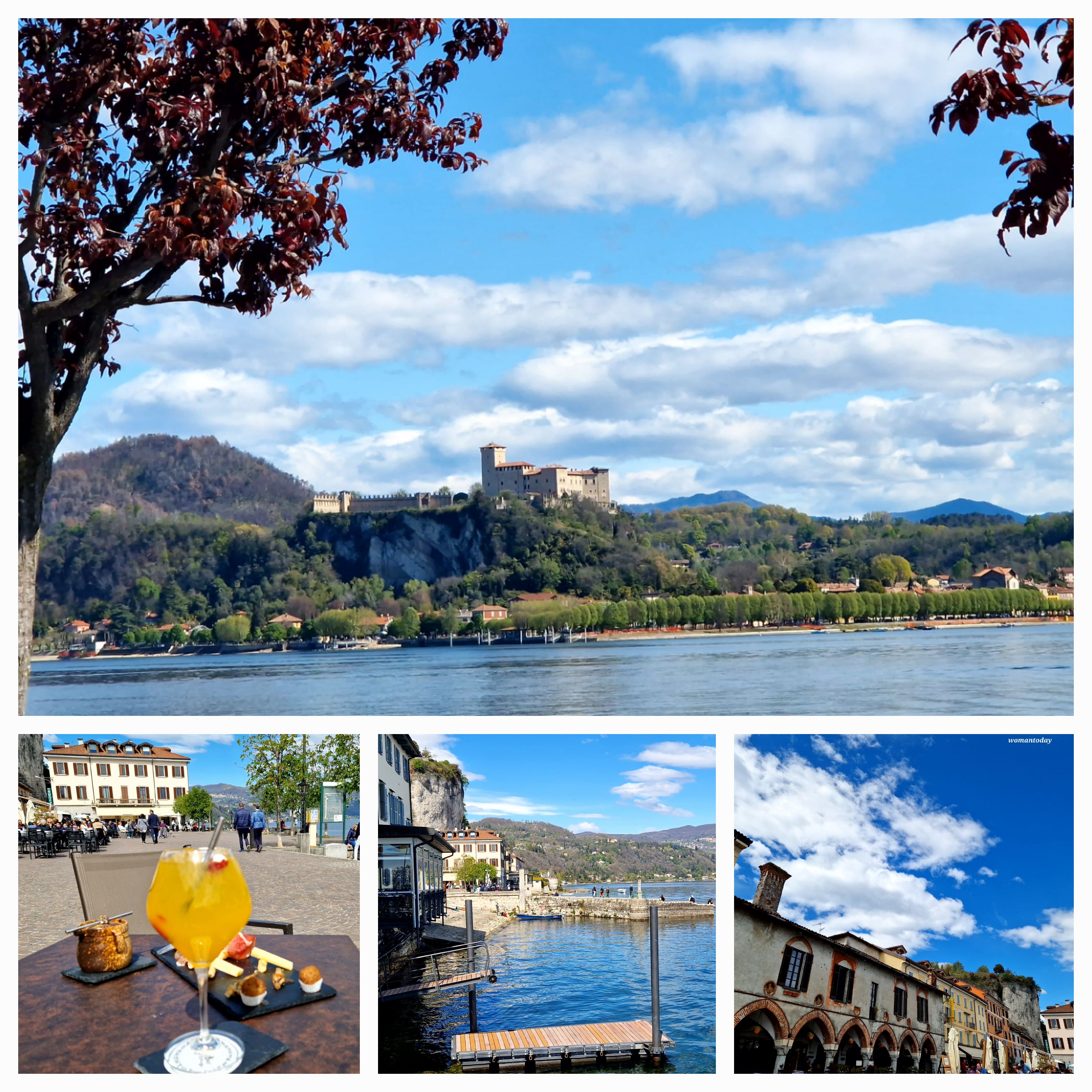
Oggi sono qui per il nuovo appuntamento con le cose belle di questo mese. Per coloro che mi seguono su Instagram, il link lo trovate anche sopra, womantoday32, le cose che condividerò adesso non sono una novità, ma per coloro che non dedicano tempo a questo social, le cose belle di questo mese riguardano il breve viaggio che ho fatto sul lago Maggiore. All'inizio dell'anno vi avevo parlato di alcuni nuovi problemi di salute che poi piano piano ho accettato come un'altro compagno per la vita ma siccome non è per niente facile gestire i sintomi e la terapia (difficilmente controllabile a casa dove ho tutto il necessario) volevo provare ad affrontare la situazione anche in un ambito nuovo come quando viaggio. Perciò ci siamo organizzati per passare una breve vacanza di 3 giorni a visitare lago Maggiore e le sue bellissime città. Non ho avuto il successo che speravo nel controllo dei problemi di salute ma visitando questi posti stupendi mi ha ricordato ancora una volta quanto sia bello viaggiare, quanto mi possa alzare il morale e quanta pace mi possa dare ammirare paesaggi e panorami multicolori come quelli che condividerò in seguito. Abbiamo visitato Arona, Stresa e Lucarno e ci siamo soffermati in ognuna di queste città per ammirare i paesaggi, scattare foto, ascoltare i cantanti di strada, fare un aperitivo delizioso, pranzare e cenare con  pietanze squisite. Come novità rispetto alle condivisioni sui social, nel post di oggi condivido con voi le prelibatezze del lago Maggiore. Detto ciò, vi saluto e vi abbraccio con calore e vi do appuntamento al prossimo post. 


ENGLISH 

Dear friends and readers,

Today I'm here for the new appointment with the beautiful things of this month. For those who follow me on Instagram, the link can also be found above, womantoday32, the things I will share now are nothing new, but for those who don't dedicate time to this social network, the beautiful things fir this month concern the short trip we made to Lake Maggiore. At the beginning of the year I told you about some new health problems which I then slowly accepted as another life partner but since it is not at all easy to manage the symptoms and the therapy (difficult to control at home where I have everything necessary) I wanted to try to deal with the situation even in a new environment like when I travel. So we organized ourselves to spend a short 3-day break visiting Lake Maggiore and its beautiful cities. I haven't had the success I hoped in controlling my health problems but visiting these beautiful places reminded me once again how beautiful it is to travel, how much it can lift my spirits and how much peace it can give me to admire multicolored landscapes and panoramas like the ones I will share afterwards. We visited Arona, Stresa and Lucarno and stopped in each of these cities to admire the landscapes, take pictures, listen to street singers, have a delicious happy hour, have lunch and dinner with exquisite dishes. As a novelty compared to sharing on social networks, in today's post I share with you the delicacies of Lake Maggiore. Having said that, I greet you and embrace you warmly and see you in the next post.


Arona - Italia / Italy


Stresa - Italia / Italy


Lucarno - Svizzera / Switzerland


Leccornie del lago / delicacies from the lake


IT: Con questo post partecipo all'iniziativa Solo Cose Belle portata avanti da Lulù sul suo blog, Creattivamente Lulù. 
ENG: With this post I participate in the Only Beautiful Things initiative carried out by Lulù on her blog, Creattivamente Lulù.


Copyright © Florentina Andrei 2023

Recommended post

Solo Cose Belle ottobre 2024 parte 1 / Only Beautiful Things October 2024 part 1

ITALIANO   Ciao carissimi amici,  Finalmente riesco a scrivere il post in merito alle cose belle che ho vissuto durante il mese corrente e s...